
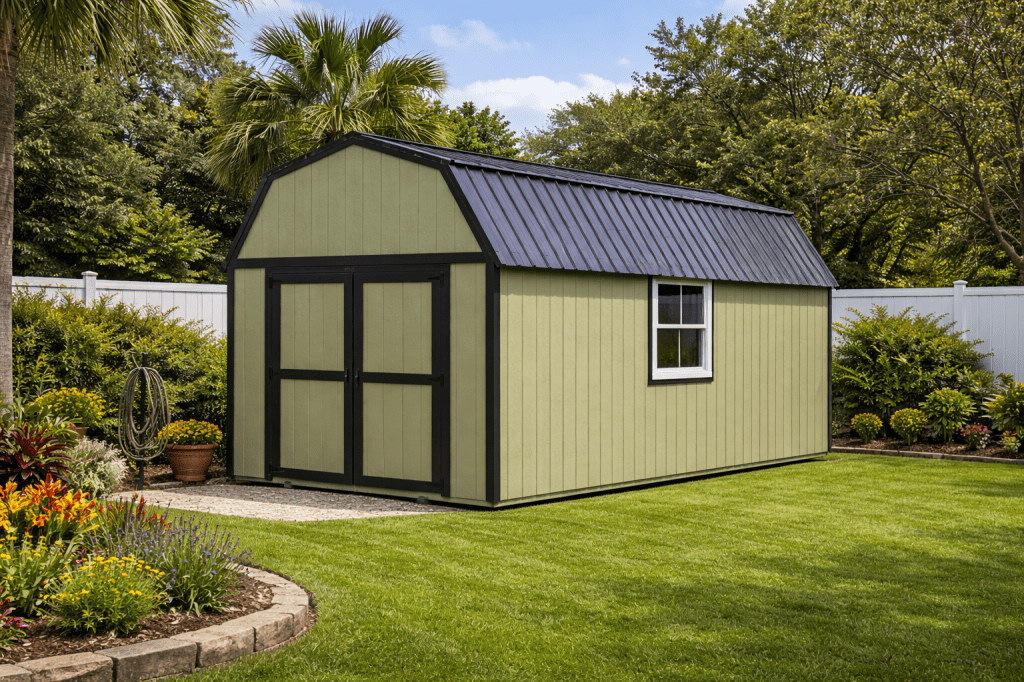
You’ve done the hard part—you got your shed permit approved.
Now what?
This is where most people either move forward smoothly… or make costly mistakes that delay their project, increase expenses, or even cause inspection issues.
At Sheds of Sarasota, we walk customers through this every day. Here’s exactly what your next steps should be once your permit is in hand.
1. Confirm Your Site Plan (Before Delivery)
Just because your permit is approved doesn’t mean you can place your shed anywhere on your property.
Double-check:
- Setback requirements (distance from property lines)
- Easements or right-of-way restrictions
- Drainage areas or low spots
Pro Tip:
Mark the exact location with stakes or spray paint before delivery day. This avoids repositioning fees or failed inspections.
2. Prepare the Ground Properly
One of the biggest mistakes people make is skipping proper site prep.
You have a few solid options:
- Level dirt pad (budget-friendly)
- Gravel pad (most common and recommended)
- Concrete slab (best for long-term or heavy use)
Why it matters:
- Prevents shifting and settling
- Keeps doors operating correctly
- Helps your shed pass inspection
At Sheds of Sarasota, we can guide you on what works best for your specific building and property.
3. Choose the Right Shed Configuration
Now that permitting is approved, it’s time to finalize your building.
Think through:
- Door placement (based on access)
- Window locations (light + airflow)
- Loft or storage needs
- Future use (storage, workshop, office, etc.)
Important:
It’s much cheaper to customize upfront than to modify later.
4. Schedule Delivery the Right Way
Timing matters more than people think.
Make sure:
- Your site is 100% ready before delivery
- There’s clear access (no low branches, tight gates, or soft ground)
- You’re available (or someone is) to confirm placement
Delivery delays = extra costs.
Planning this correctly keeps everything smooth.
5. Understand Anchoring Requirements
In Florida, anchoring is not optional—it’s often required.
Depending on your county and shed size, you may need:
- Ground anchors
- Concrete anchors
- Tie-down systems
This is critical for:
- Passing inspection
- Storm safety (especially in hurricane zones)
We always recommend doing this right the first time.
6. Prepare for Inspection
After installation, your shed may require a final inspection.
Inspectors typically check:
- Proper placement (matches site plan)
- Anchoring system
- Structural compliance
Avoid this mistake:
Don’t move or modify the shed after installation without checking regulations—it can cause a failed inspection.
7. Start Using (or Upgrading) Your Shed
Now comes the fun part.
Once approved, you can:
- Add shelving or workbenches
- Run electrical (with proper permits if needed)
- Insulate or finish the interior
- Convert it into a workspace, studio, or storage solution
Why This Step Matters
Getting your permit is only half the process.
What you do next determines:
- How long your shed lasts
- Whether it passes inspection
- How much extra money you spend
Done right, your shed becomes a long-term investment. Done wrong, it becomes a headache.
Let Us Help You Do It Right
At Sheds of Sarasota, we don’t just sell buildings—we help you through the entire process from start to finish.
✔ Site prep guidance
✔ Fully customizable buildings
✔ Delivery coordination
✔ Rent-To-Own options (no credit check)
✔ Low down payments starting at $100–$150
Get Started Today
📍 6502 14th Street West, Bradenton, FL
📞 941-462-9184
🌐 http://www.shedsofsarasota.com
📧 shedsofsarasota@gmail.com
Final Thought
You’ve already taken a big step by getting your permit approved.
Now make sure the next step is done right—because that’s what turns a shed into something that actually works for you.
 Sheds of Sarasota
Leave a comment